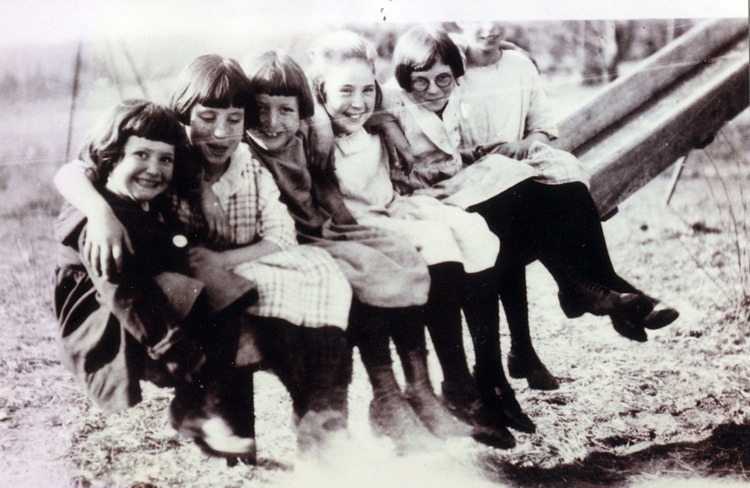
Our History
Levi Hutton

The founder, Mr. Levi Hutton, was born in 1860 in Fairfield, Iowa but was orphaned at the age of 6. He was passed around among relatives, mostly living on a farm with an uncle and his family. Young Levi never felt a part of a family. His schooling ended after the third grade as he was expected to earn his way by doing farm chores.
At age 18, Levi headed west to seek his fortune. After a year in Oregon and a year working among the redwoods of California Levi headed north to Idaho. He was a fireman on both a steamboat and a locomotive before becoming a railroad engineer.
After several years as an engineer on the “Rocky Mountain Division,” the Northern Pacific Railroad sent him to Wardner Junction, Idaho (now Kellogg) to drive an ore train into the mining country. These were exciting times as people had big dreams of one day striking it rich.
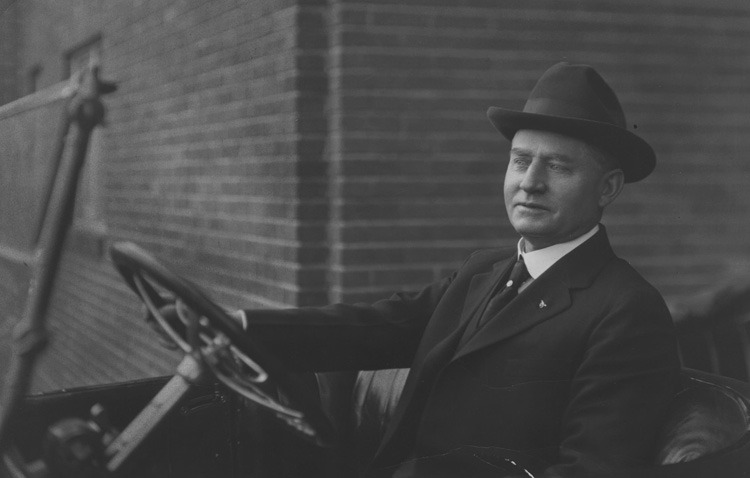
May Arkwright Hutton
It was Wardner Junction, Idaho (now Kellogg) that Levi met his wife, May Arkwright, who owned and operated a boarding house where Levi ate most of his meals. Lucky for Levi, she was the best cook in the West. May was a spirited and adventuresome woman and like Levi, she had a heart of gold, always concerning herself about the rights of workers, women and children.
Shortly after they were married in 1887, Levi (called Al by his friends) was transferred to the new town of Wallace where they bought a two-room shack on a steep hill overlooking the tracks.
The year 1897 was an important milestone in the lives of the Hutton’s when, along with five others, they invested in the Hercules Mine. After pouring money and hard work into their “hole in the ground,” they struck it rich in June of 1901. As millionaires, day-to-day life for the Hutton’s changed, but their values and compassionate spirit remained intact.


“The measure of a community is found in how it cares for its most vulnerable members. We believed that every child deserves not charity, but a genuine home — a place where they belong.”
Levi began a string of businesses, invested in others and built the Hutton Building. The fourth floor of that building served as their home until 1914, when they built a house on the south side of Spokane. May, all six feet and 225 pounds of her, shook Spokane Society. They were not used to a woman who dressed outlandishly and spoke her mind. May died in 1915 at the age of 55.
Since his childhood as an orphan it had been Levi’s dream to build a home for children. It was to be a “home,” not an institution. It had to be a secure place where families could stay together and not be shifted about.
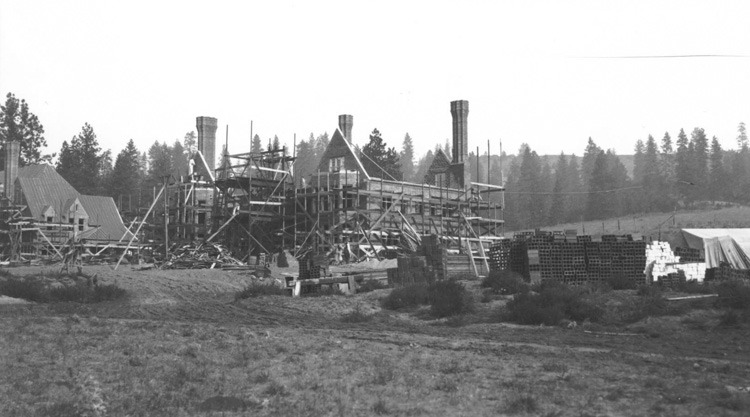


Levi began a string of businesses, invested in others and built the Hutton Building. The fourth floor of that building served as their home until 1914, when they built a house on the south side of Spokane. May, all six feet and 225 pounds of her, shook Spokane Society. They were not used to a woman who dressed outlandishly and spoke her mind. May died in 1915 at the age of 55.
Since his childhood as an orphan it had been Levi’s dream to build a home for children. It was to be a “home,” not an institution. It had to be a secure place where families could stay together and not be shifted about.
100 Years of Milestones
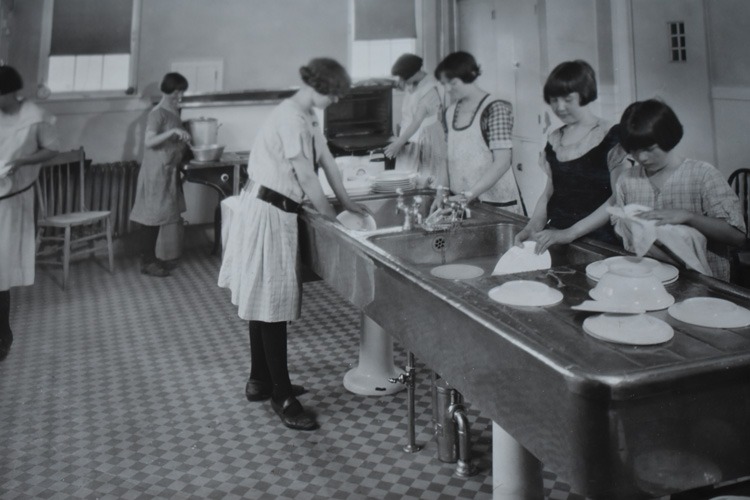
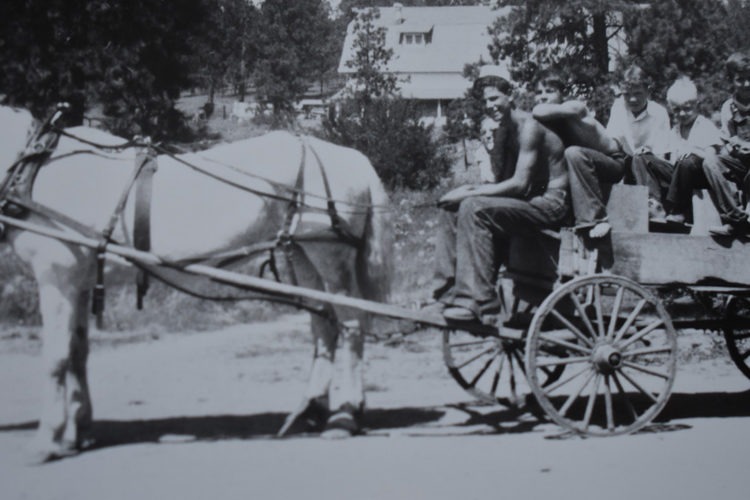
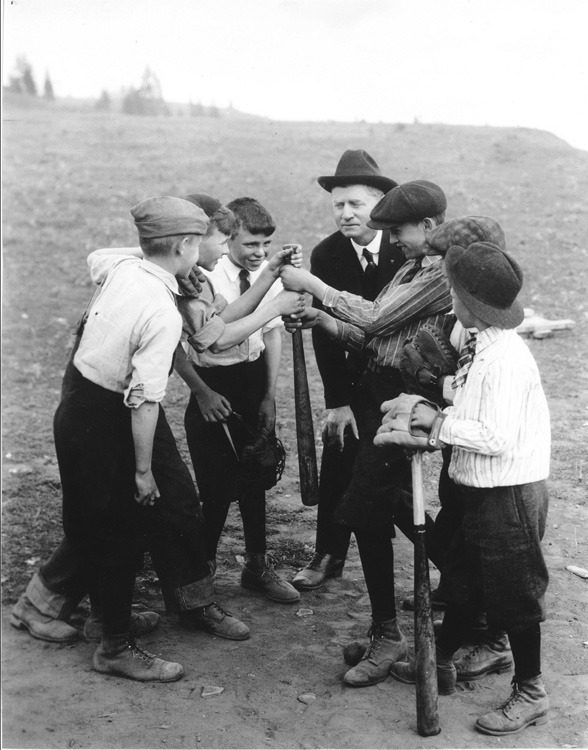
For more than 100 years, Hutton Settlement has been a pillar of the Spokane community. What began as one couple’s vision to give children a better life has grown into one of the most enduring residential care programs in the Pacific Northwest.
Through the Great Depression, two World Wars, and a century of social change, Hutton Settlement has remained steadfast in its mission. Generations of children have grown up on our campus, and many return as adults to share their stories, volunteer their time, and support the next generation of Hutton kids.
Our centennial — celebrated in 2019 — was not just a milestone. It was a reaffirmation of the values that Levi and May Hutton established: that every child deserves a safe home, a quality education, and a community that believes in them.
The Campus
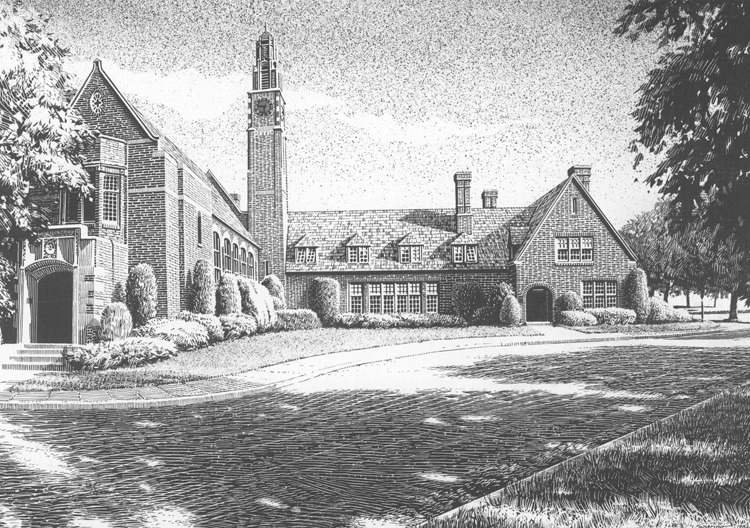
Hutton Settlement sits on 319 acres of beautiful land south of Spokane, Washington. The campus is home to four residential houses, recreational facilities, gardens, open fields, and the natural landscapes that make the Inland Northwest so special.
This isn’t an institution — it’s a neighborhood. Children walk between homes, play in open spaces, tend gardens, and explore the outdoors just steps from their front doors. The campus was designed from the very beginning to feel like a community, not a facility.
Each of the four homes has its own character, its own houseparents, and its own family dynamic. Together, they form the heart of Hutton Settlement — a place where children don’t just live, but truly belong.